Winter Hiking Made Easy

Caleb Ryan
| 30-04-2026
 · Sport Team
We step into winter landscapes to experience quiet snow-covered scenery, fresh cold air, and a peaceful outdoor rhythm. At the same time, winter hiking brings challenges like low temperatures, icy paths, and shorter daylight hours. Preparation becomes the key to staying safe and comfortable.
For Lykkers who enjoy outdoor exploration, winter trails can feel rewarding when we focus on simple and effective essentials. The goal is to stay warm, maintain balance, and adapt to changing conditions.
Layered Clothing for Balanced Warmth
We use a layered clothing system to manage body temperature during movement. The inner layer helps control moisture so skin stays dry even during physical effort. This reduces discomfort caused by sweat cooling on the body.
The middle layer provides insulation. A lightweight thermal layer helps trap heat while still allowing flexibility. It works well during both walking and rest periods.
The outer layer acts as protection from wind, snow, and moisture. It helps maintain internal warmth by reducing heat loss. When temperatures drop further, adding an extra insulating layer during breaks helps stabilize body heat.
Foot Stability and Comfort on Snow
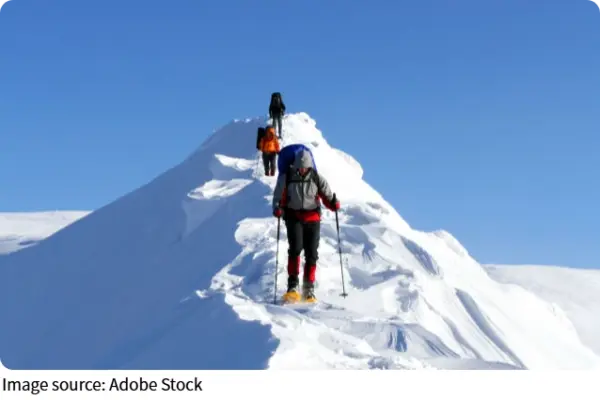
Our feet play a major role in winter hiking comfort. Waterproof hiking footwear helps maintain dryness and improves grip on mixed surfaces.
We often pair it with wool-based socks because they help manage moisture and stay warm even in damp conditions. This combination supports long-lasting comfort during extended walking.
Additional protective coverings for the lower legs help prevent snow from entering footwear. Together, these elements improve stability and reduce cold-related discomfort.
Hand, Head, and Face Protection
Cold air affects exposed areas quickly. Layered gloves allow flexibility in changing conditions, offering both warmth and movement control.
A warm hat helps reduce heat loss from the head, which is important in cold environments. In windy conditions, face protection helps reduce exposure to dry, cold air.
These small adjustments significantly improve overall comfort during long outdoor activity.
Maintaining Stability on Icy Terrain
Snow and ice can change walking conditions suddenly. Traction accessories for footwear help improve grip and reduce slipping risks.
When snow becomes deep, flotation support helps reduce sinking and makes walking easier. Walking poles add balance, especially on uneven or downhill sections.
With these tools, movement becomes more stable and less tiring, even over longer distances.
Energy and Hydration Balance
Cold environments often increase energy use without obvious signals. Compact, energy-rich snacks help maintain strength during breaks.
Hydration is equally important. Insulated containers help reduce freezing, ensuring water remains usable. Warm beverages stored safely can also provide comfort and support body warmth during rest periods.
These simple habits help maintain steady energy throughout the journey.
Light Reflection and Skin Awareness
Snow reflects sunlight strongly, which can affect visibility and skin comfort. Protective eyewear helps reduce glare and improves clarity on bright surfaces.
Skin protection is also important in reflective environments. Lightweight sunscreen helps reduce exposure effects during extended time outdoors.
These steps support comfort and awareness under bright winter conditions.
Essential Safety Preparation
We carry basic safety tools to stay prepared for unexpected situations. A compact first aid kit supports minor care needs during outdoor travel.
A signaling device helps communicate location if needed. A portable light source is useful when daylight becomes limited.
In remote environments, additional communication tools can provide extra reassurance. These items help improve safety without adding unnecessary weight.
Planning for Safer Winter Movement
Before starting, checking weather conditions helps avoid unstable environments. Early departure allows better use of limited daylight hours.
Sharing route details with someone adds an extra layer of awareness. This simple step helps improve overall safety planning.
Recognizing early signs of cold-related stress is important. If conditions change unexpectedly, adjusting the plan or turning back supports safer decision-making.
Finishing the Winter Journey with Confidence
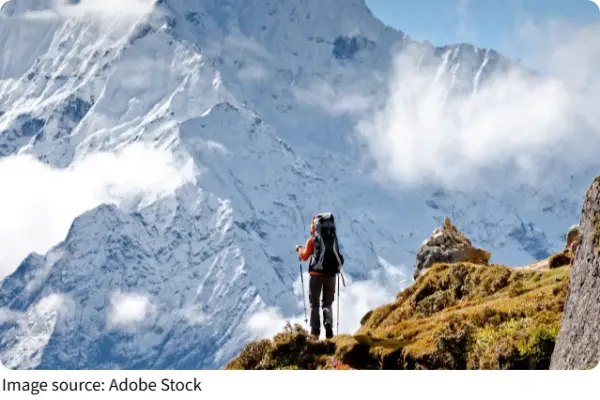
Winter hiking becomes more enjoyable when we focus on preparation, awareness, and simple essentials. With layered clothing, stable footing, and basic safety habits, snowy trails become a calm and rewarding experience.