Dan Tinh

Ethan Sullivan
| 30-04-2026
 · Photography Team
At first glance, the đàn tính may look simple—a long neck, a rounded body, and just a few strings. But once it is played, the sound carries a gentle rhythm that feels closer to storytelling than performance. Each note flows softly, creating an atmosphere that is calm yet expressive.
This instrument is not designed for loud stages or overwhelming volume. Instead, it draws listeners in through subtle tones and steady pacing, making it both distinctive and memorable.
A Minimalist Design with Purpose
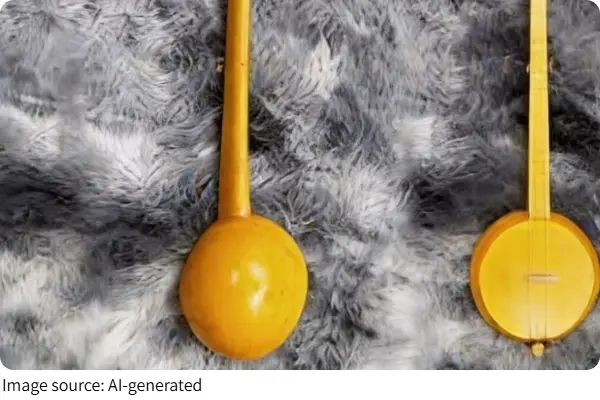
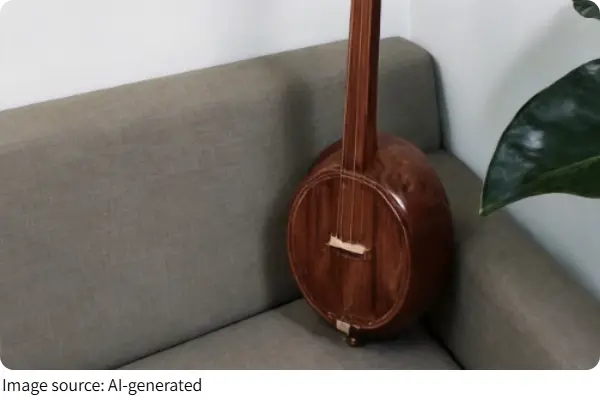
The structure of the đàn tính is surprisingly minimal, yet every part serves a clear function. Traditionally, it is made using natural materials, giving it a warm and organic tone.
1. The body is often crafted from a hollowed gourd
2. The neck is long and straight, allowing smooth hand movement
3. The instrument usually has two or three strings
4. Lightweight construction makes it easy to carry and play
This simplicity is not a limitation—it is what gives the instrument its unique sound character.
Fewer Strings, More Expression
Unlike many string instruments that rely on multiple strings for complexity, the đàn tính achieves variation through technique rather than quantity.
Players adjust rhythm, pressure, and finger placement to create different tones. This means the instrument depends heavily on the skill and sensitivity of the performer.
Even with just a few strings, it can produce a wide range of emotional expressions, from gentle and reflective to lively and rhythmic.
Close Connection to Daily Life
One of the most interesting aspects of the đàn tính is its connection to everyday life. It is not limited to formal performances but is often used in small gatherings or storytelling settings.
• It accompanies singing and spoken narratives
• It creates a relaxed atmosphere rather than a dramatic one
• It is often played in intimate spaces rather than large venues
This makes the instrument feel personal, almost like a conversation rather than a performance.
Playing Technique and Rhythm
The playing style of the đàn tính is distinct and recognizable. Instead of complex chords, it focuses on rhythm and melodic flow.
1. Plucking patterns create a steady, repeating rhythm
2. Subtle finger movements adjust pitch and tone
3. Timing plays a more important role than speed
4. Consistency in rhythm builds the overall mood
The result is music that feels continuous and flowing, rather than sharp or abrupt.
Lightweight but Deep in Character
Despite its simple appearance and light structure, the đàn tính carries a strong identity. Its tone is warm, slightly resonant, and easy to recognize once heard.
Because it is not overpowering, it blends well with voices and other soft instruments. This makes it especially effective in settings where clarity and atmosphere matter more than volume.
Why It Stands Out Today?
In a world filled with complex instruments and digital sound production, the đàn tính stands out by doing the opposite. It keeps things simple, direct, and expressive.
Its appeal lies in authenticity—every sound depends on human touch, not technology or amplification. This gives each performance a unique quality that cannot be exactly repeated.
Final Reflection
The đàn tính is a reminder that complexity is not always necessary to create meaningful sound. With just a few strings and a simple structure, it delivers depth, emotion, and connection.
What makes it truly special is not how many notes it can produce, but how naturally it turns those notes into something that feels alive and personal.