Window Gazing

Arvind Singh
| 30-04-2026
 · Animal Team
We often see a familiar scene at home: a cat quietly sitting by the window, staring outside for a long time without moving. From our view, there seems to be nothing special outside, yet the feline remains fully focused.
At first glance, we may think it is simply daydreaming. However, this behavior is far from random. It is shaped by instinct, comfort, curiosity, and daily habits that are deeply rooted in the cat’s natural behavior.
Warm Sunlight as a Natural Comfort Zone
One of the main reasons a cat stays near the window is warmth. Cats naturally prefer higher temperatures than humans. Their bodies usually stay warmer, so they actively seek cozy places to rest.
Sunlight passing through glass creates a soft, warm spot. This becomes an ideal resting area, almost like a natural heating blanket. In the wild, feline species often rest in sunny areas to conserve energy and maintain body temperature.
Even in modern homes, this instinct remains strong. That is why a pet may spend long periods near the window, not because it is watching something specific, but because it feels physically comfortable there.
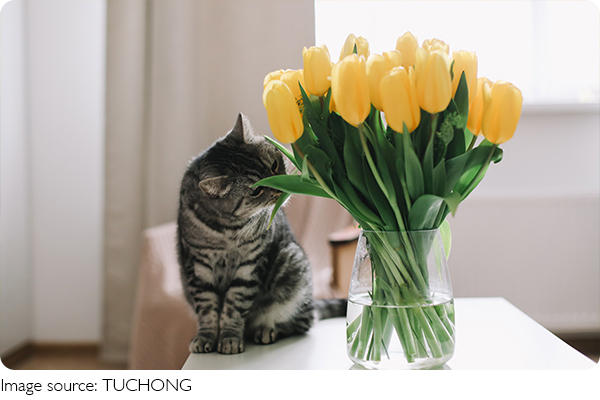
A Constant Source of Visual Curiosity
Outside the window, the world never truly stops moving. Birds fly past, leaves drift in the air, insects move along surfaces, and shadows shift with the wind.
To humans, these changes may seem minor. To a cat, however, they are highly stimulating visual signals. Their eyes are built to detect motion extremely well, allowing them to notice even the smallest movement that we might miss completely.
What looks like “nothing happening” to us can appear as a full scene of activity to them. This is why a pet can remain focused for a long time without getting bored.
At the same time, the glass provides safety. It allows observation without risk, which creates a perfect balance between curiosity and security.
Territory Awareness from a Safe Distance
Cats naturally have strong territorial instincts. In nature, their territory can be quite large. Even in a home environment, this instinct remains active.
For a domestic feline, the home is considered its personal space. The window becomes a boundary point between “inside” and “outside.” Watching from there allows it to monitor any movement near its perceived area.
Other animals passing by, unfamiliar sounds, or sudden changes outside may all trigger attention. This behavior is similar to a quiet form of monitoring surroundings.
In some cases, if another cat appears outside repeatedly, the indoor one may become alert or even react to the presence. This shows how strong territorial awareness can still be, even in a comfortable indoor life.
Simple Moments of Boredom and Rest
Not every moment is driven by instinct or curiosity. Sometimes, the reason is much simpler: there is nothing else to do.
A typical pet sleeps many hours a day. When awake, after eating and grooming, there are still quiet periods with little activity. During those moments, the window becomes an easy source of mild entertainment.
Watching movement outside helps pass time in a calm way. It is similar to how humans might look out of a train window or sit near a balcony just to observe the surroundings.
So, sometimes the behavior is not deep or complex at all. It is simply a peaceful way to spend time.
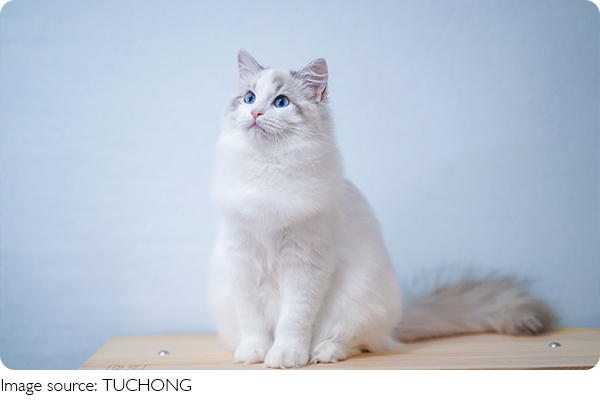
Understanding This Natural Habit
When we understand these reasons, the behavior becomes much easier to appreciate. It is not random staring, nor is it emptiness. It is a combination of comfort, instinct, curiosity, and rest.
It is also important for us to respect this habit. Blocking all access to windows or removing visual stimulation can make the environment feel less engaging. Light, airflow, and outside views help create a more balanced living space.
Safety is also important. If windows are open, proper protection is necessary to prevent accidents. This ensures the pet can enjoy observation without risk.
We can even improve the experience by placing a soft resting spot near the window or creating safe areas where watching outside becomes easier and more comfortable.
A Small Window into a Bigger Inner World
In the end, this simple behavior tells us something meaningful. A cat looking out of the window is not wasting time. It is experiencing its environment in a quiet and natural way.
It observes, rests, feels safe, and stays mentally active all at once. This small daily moment reflects a balanced lifestyle shaped by instinct and comfort.
So next time we see a pet sitting quietly by the window, there is no need to interrupt. We can simply allow that peaceful moment to continue.
After all, Lykkers, sometimes the quietest scenes reveal the most about how another living being experiences the world—and sharing that understanding makes our bond even stronger.