Where Lava Meets the Sea

Mason O'Donnell
| 30-04-2026
 · Travel Team
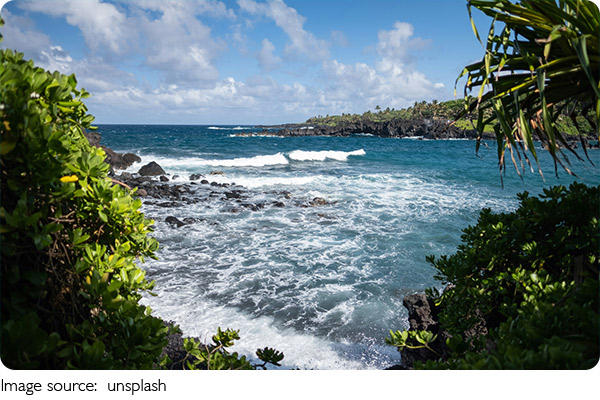
From above, it looks like two worlds colliding. The rock is black and rough, ancient lava that poured into the ocean thousands of years ago and hardened into jagged, pitted slabs. The water pushing against it is this impossible shade of turquoise — not blue, not green, but something between the two that doesn't have a proper name.
Where they meet, the waves explode into white foam that gets forced through cracks and channels in the rock, shooting upward before sliding back into the sea. It's violent and beautiful at the same time, and it's been happening here on the Big Island of Hawaii every single day for longer than anyone can calculate.
What You're Looking At?
The Big Island of Hawaii is the youngest and largest island in the Hawaiian chain, and it's still actively growing. Kilauea volcano, one of the most continuously active volcanoes on earth, has been adding new land to the island's southeastern coast for decades — lava flows reaching the ocean and hardening into exactly the kind of black rock you see in this photo. The coastline that results is raw and dramatic, nothing like the white sand beaches most people associate with Hawaii. It's sharp, dark, primordial-looking, and the contrast with that electric blue water makes it one of the most visually striking landscapes in the entire Pacific.
Hawaii
The Best Spots to See It
Hawaii Volcanoes National Park covers the southeastern part of the Big Island and gives you access to the most dramatic coastal lava scenery. The Chain of Craters Road runs 19 miles from the park's highland caldera area down to the coast, ending at a sea arch and a sweeping view of the black lava bench meeting the ocean. Punalu'u Black Sand Beach, further south, offers a more accessible version of the same landscape — black volcanic sand, dark rock platforms, and turquoise water, with the bonus of Hawaiian green sea turtles that regularly rest on the beach.
Getting There
Fly into Kona International Airport or Hilo Airport on the Big Island — both receive direct flights from the US mainland, with Kona being the more common arrival point. From Honolulu, inter-island flights to both airports take about 45 minutes and cost $60–$120 round trip. Renting a car is essential on the Big Island — distances are large and public transport is minimal. Car rentals run $50–$90 per day depending on season and vehicle type.
Practical Info and Costs
Hawaii Volcanoes National Park entry: $30 per vehicle, valid for 7 days
Park hours: open 24 hours daily
Chain of Craters Road: free once inside the park
Punalu'u Black Sand Beach: free, open daily
For accommodation on the Big Island:
Budget guesthouse or hostel in Hilo: $45–$75 per night
Mid-range hotel in Kona: $120–$180 per night
Vacation rental near the coast: $130–$220 per night
Food in Hilo is considerably more affordable than Kona — local plate lunch spots serve generous meals for $10–$15, and the Hilo Farmers Market runs several days a week with fresh tropical fruit, local coffee, and prepared foods at very reasonable prices.
Drone Photography and Coastal Hiking
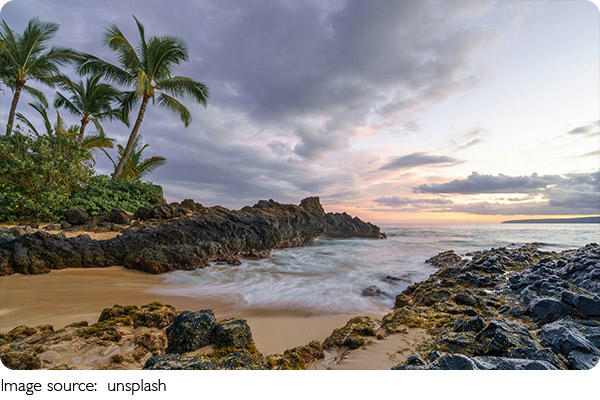
The aerial perspective in this photo is achievable — drone flights are permitted in certain areas outside national park boundaries, and the coastline from above is even more dramatic than from ground level. For those who prefer to stay on foot, coastal trail sections near the park give ground-level access to the lava bench, where you can walk right up to the edge and feel the spray. Wear closed-toe shoes with good grip — the lava surface is uneven and sharp enough to shred regular footwear in minutes.
The Big Island's volcanic coastline is one of those landscapes that recalibrates your sense of what the natural world is capable of. Black rock, blue water, white foam — three colors, infinite drama, and a reminder that this island is still very much a work in progress.